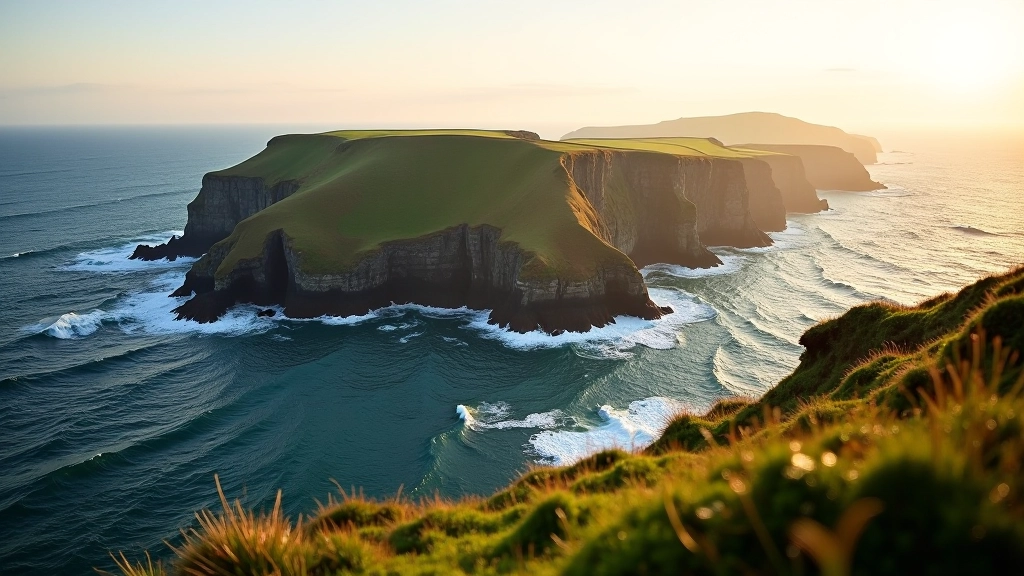
Gentle Walks That Don't Exhaust You
Three easy routes that take you through the best scenery in under an hour, with plenty of stopping points.
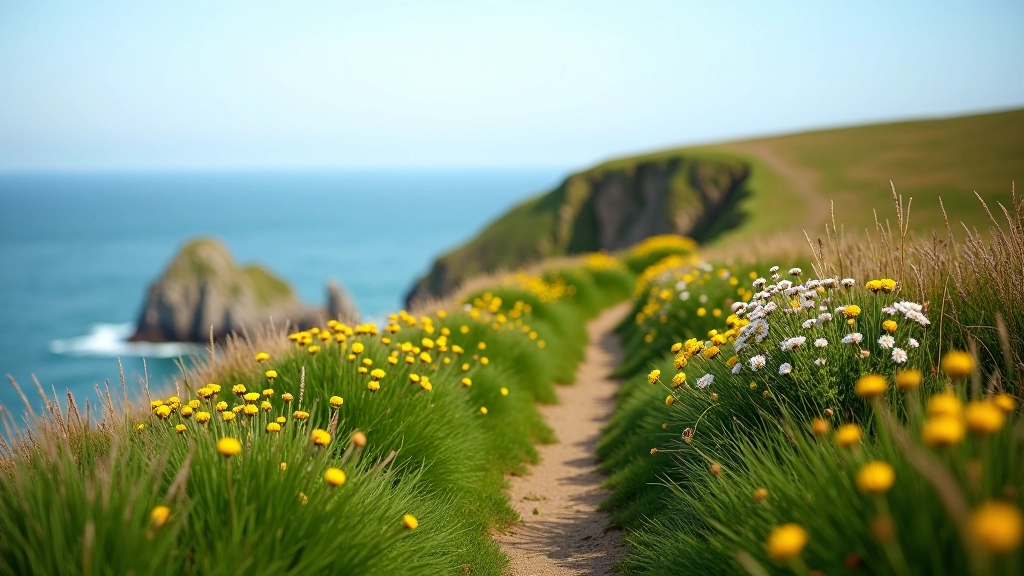
You don't need to tackle steep cliffs or power through two-hour hikes to experience the magic of Old Head of Kinsale. The headland's got some brilliant easy walks that let you soak in the views without feeling wrecked afterwards. We've put together three routes that work perfectly if you're recovering from injury, managing a chronic condition, or simply want to take things at a relaxed pace.
All three walks stay below 1 km per route, take between 25 and 50 minutes, and include natural resting spots where you can sit and watch the sea. No rushing. No pressure. Just you and the headland.
The Three Best Routes
Each walk starts from the car park near the lighthouse. You won't need special kit — trainers with decent grip are fine. We've included where to rest and what you'll actually see along the way.
Route One: The Lighthouse Loop
Distance: 0.8 km | Time: 25-30 minutes | Difficulty: Very Easy
This is the gentlest option. You'll walk around the lighthouse building, past the information board, and down toward the eastern cliffs. The path is paved for the first section, then becomes a well-maintained grass track. There's a wooden bench about 15 minutes in where you can rest and look out toward Garretstown Beach. Most of the walk's flat. You'll only encounter one gentle slope at the very end when you're heading back to the car park.
Route Two: The Seaward Path
Distance: 0.9 km | Time: 35-40 minutes | Difficulty: Easy
This route takes you westward along the cliff edge, with views across to County Clare on clear days. The path's narrower here but still very safe — there's fencing along the dangerous bits. You'll pass two natural resting spots: one at the old stone wall (about 10 minutes in) and another near the wildflower area if you're visiting spring through summer. The walk's mostly level. One slight incline about halfway through, but nothing steep. If you're sensitive to wind, come when there's a light breeze rather than a gale.
Route Three: The Sheltered Bay Walk
Distance: 1.0 km | Time: 40-50 minutes | Difficulty: Easy to Moderate
The longest of the three, but still totally manageable. This path curves around the southern side of the headland toward Compass Hill. You'll see Inchydoney Beach across the water and sometimes spot seals on the rocks below. There are two good benches on this route — one sheltered by scrubland that's brilliant when it's windy, and another in the open with panoramic views. The terrain's a bit rougher than the other routes (more uneven grass, some small stones), so wear footwear with a firm sole. The walk's mostly flat with one moderate slope near the halfway point.


What to Bring and How to Prepare
These walks are genuinely low-pressure, but a bit of planning makes them way more comfortable. You don't need much.
Footwear
Trainers with good ankle support and a thick sole are ideal. If you've got trail shoes, even better. Avoid smooth-soled shoes — the grass can get slippery, especially after rain.
Water and Snacks
Bring at least 500ml of water. It's not about the distance — it's about staying hydrated while you're walking in sea air. A banana, some crackers, or a protein bar works well if you're out for the longer routes.
Sun and Wind Protection
Sunscreen's essential even on cloudy days (sea reflection intensifies UV). A light windproof layer helps — the wind's often stronger on the headland than in town. A hat or cap keeps sun off your face.
Timing
Early morning (before 10 am) means fewer people and calmer conditions. Late afternoon's lovely too. Avoid midday heat if you're sensitive to warmth. Check the tide tables if you're walking in autumn or winter — some lower paths can get cut off by high tide.
What You'll Actually Experience
It's not just about ticking off a walk. There's real stuff to notice and appreciate as you move slowly through the landscape.
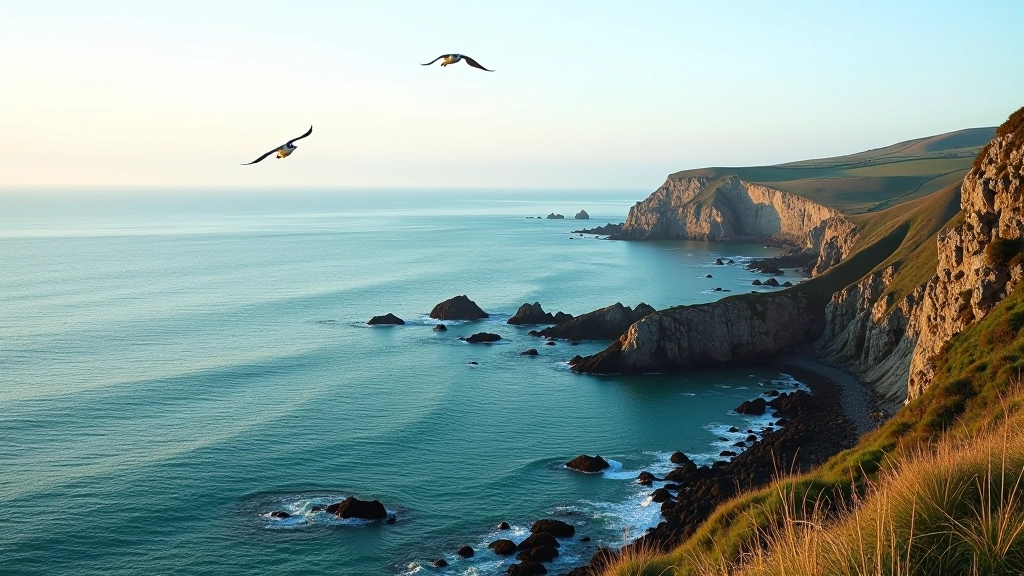
You'll hear the difference between the sea hitting the rocks below and the sound of wind through the scrubland. On calm days, that's weirdly meditative. You might spot razorbills or guillemots nesting on the cliff face (April through July). In spring, the wildflowers — primarily thrift, bird's-foot trefoil, and sea campion — create pink and yellow patches across the grass. It sounds corny, but people genuinely slow down here. There's something about the combination of the sea, the space, and the fact you're not rushing that just works.
"I've done all three routes now. I thought I'd get bored repeating them, but honestly? I notice something different every time. Last week I counted seven different types of seabirds. The week before that I just sat on the bench for 20 minutes watching the light change on the water. That was the whole walk."
— Margaret, visitor from Youghal
Accessibility and Modifications
If you've got mobility concerns, pain conditions, or need to modify these walks, there's still loads you can do on the headland.
The Lighthouse Loop is the most accessible. Most of the first section's paved, and you can turn around anytime without feeling like you've "failed" the route. There's disabled parking near the visitor centre, and toilet facilities are available. If you're using a mobility aid like a walking stick or crutches, that paved section is your friend.
For the other two routes, you'll want sturdy footwear and ideally someone with you, since the paths aren't paved and there are some uneven sections. If you're managing arthritis or joint pain, start with the Lighthouse Loop and see how you feel. Many people find that even slow, flat walking on interesting terrain actually helps rather than hurts — but everyone's different, so listen to your body.
The key thing: you don't have to do the full route. Walk for 10 minutes, find a bench, sit for 20. That's a completely legitimate way to experience the headland, and honestly? You'll probably enjoy it more than rushing through the whole thing.
Gentle Walking Isn't a Compromise
There's this weird cultural thing where slower = lesser. Where if you're not pushing yourself, you're not really doing it. That's rubbish. Slow walking on the Old Head of Kinsale isn't a watered-down version of "proper" hiking. It's actually what this place is designed for. The views don't care whether you're sprinting or strolling. The sea looks just as good from a bench as it does from the top of a mountain you've exhausted yourself climbing.
These three routes are genuinely worth doing. They're easy on your body but rich in the stuff that makes being outdoors worthwhile — space, quiet, texture, light, wildlife, the smell of the ocean. You'll come back. Most people do.
Important Information
This article is for informational purposes. While these walks are designed to be accessible and low-impact, individual fitness levels and health conditions vary significantly. If you have any chronic health conditions, injuries, or mobility concerns, it's sensible to consult with a healthcare professional before starting any new physical activity. Weather and tide conditions at Old Head of Kinsale can change rapidly — always check conditions before you go, and don't hesitate to turn back if you feel unwell or if conditions deteriorate. Stay on marked paths, keep a safe distance from cliff edges, and bring a fully charged phone. The headland's beautiful, but it's also wild — respect it accordingly.