Best Times to Visit for Peaceful Moments
Morning versus afternoon versus golden hour. We break down when you'll find quiet spots, when crowds tend to gather, and what the light does at each time.

Timing Changes Everything
You could visit Old Head of Kinsale at any time and still find something worthwhile. But here's the thing — the experience shifts dramatically depending on when you arrive. The light's different. The crowds are different. Even the air feels different. We've spent years visiting at every possible time, and we've noticed patterns. Real ones. The kind that matter when you're looking for genuine peace.
This isn't about rushing through a checklist. It's about understanding what each time of day offers, so you can choose what actually matches what you're looking for.
Early Morning: Solitude Before 8 AM
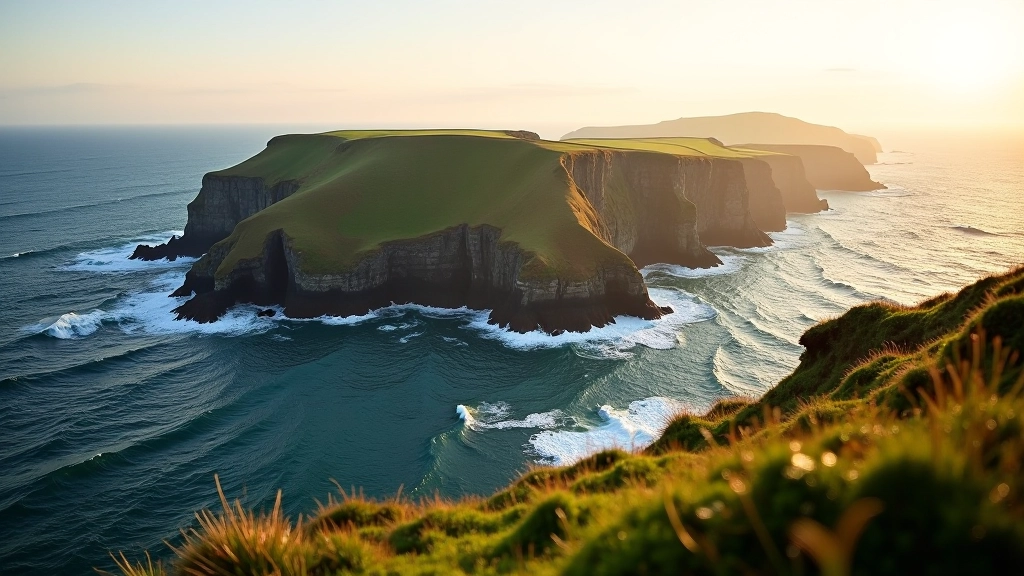
The headland wakes up slowly. If you're there by 6:30 AM or 7 AM, you've got the place nearly to yourself. The light's soft and golden — it's what photographers call the golden hour, except it's happening on the eastern side so you get that glow without harsh shadows.
The sea's usually calmer in early morning. The wind hasn't picked up yet. You'll notice the air smells cleaner — salt, grass, nothing else. It's genuinely quiet. Not artificially quiet. Real quiet, the kind where you can hear the waves clearly and the occasional seabird.
- Almost no foot traffic until 8 AM
- Best light for photos (soft, warm, directional)
- Seals more active in the water
- Bring a light layer — can be cool even in summer
The downside? You've got to actually get up early. And if the weather's rough, it can feel isolating rather than peaceful. But if you're looking for that genuine solitude, this is when you'll find it.
Mid-Morning to Midday: When Crowds Arrive
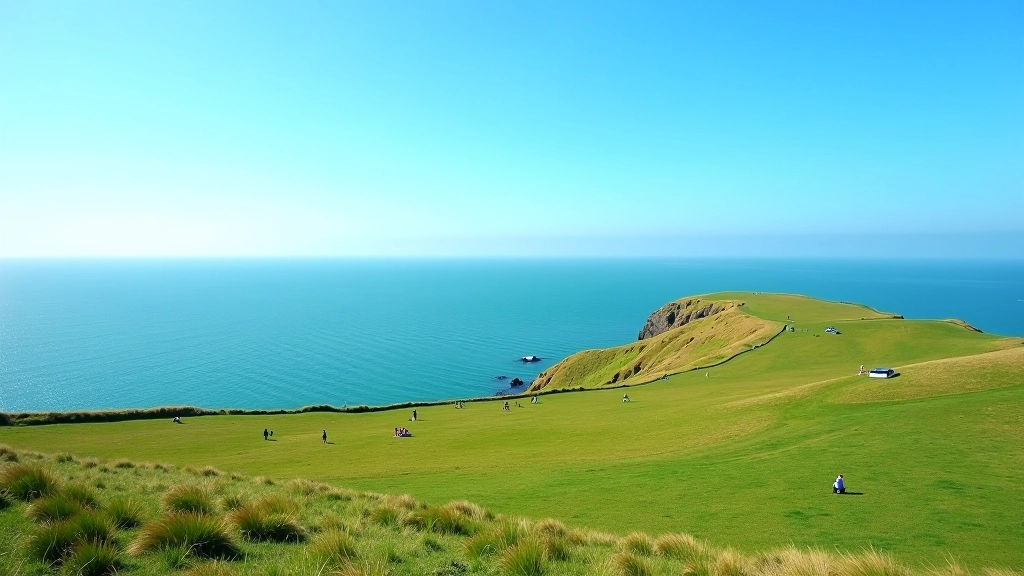
Between 9 AM and 2 PM, you'll share the space. School holidays mean more families. Weekends are busier than weekdays, obviously. The light's harsh and bright — that flat, shadowless quality that doesn't feel peaceful at all. It's functional light. Good for seeing, bad for feeling calm.
The wind tends to pick up in late morning. The sea gets choppier. Parking fills quickly. You're looking at 15-30 other people scattered across the headland, maybe more on bank holidays.
If you do visit during midday, aim for the quieter paths along the eastern edge of the headland. You'll still have company, but it's less concentrated than the main viewpoint.
That said, there's something to be said for visiting when others are there. It's safer. The atmosphere's different — more social, less introspective. If you're looking for peace but also don't want to feel isolated, this isn't terrible. It's just not ideal for genuine quiet.
Late Afternoon: The Sweet Spot (3 PM–5 PM)
Here's where it gets interesting. Around 3 PM to 5 PM, the crowds thin out significantly. School runs start. Office workers head home. You're left with maybe 5–10 people across the entire headland — mostly locals or dedicated visitors. The light shifts again. It's warmer than midday, softer than early morning. There's actual direction to it again.
The wind often calms down in late afternoon. The sea settles. You get that feeling where the day's starting to slow down, and it somehow pulls you along with it.
We think this is the honest answer for best time. It's not as dramatic as sunrise. You won't get the same isolation as early morning. But you get solitude without loneliness. Decent light without harshness. And the practical bonus of not needing to wake up at 5 AM.
- Noticeably fewer visitors than midday
- Light becomes directional and warm again
- Sea often calmer than morning hours
- Weather can shift — check conditions
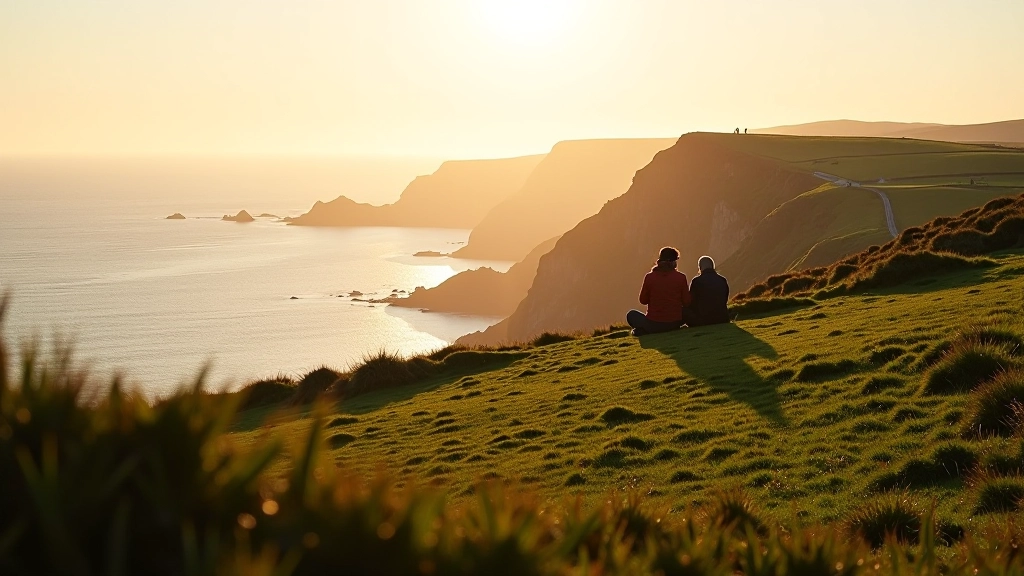
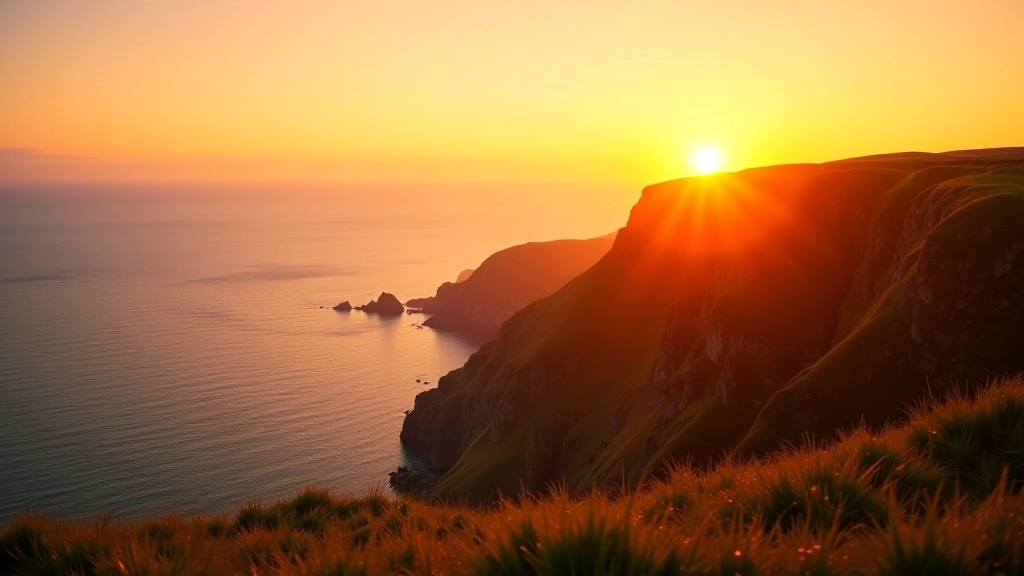
Golden Hour and Evening: Beauty Over Quiet
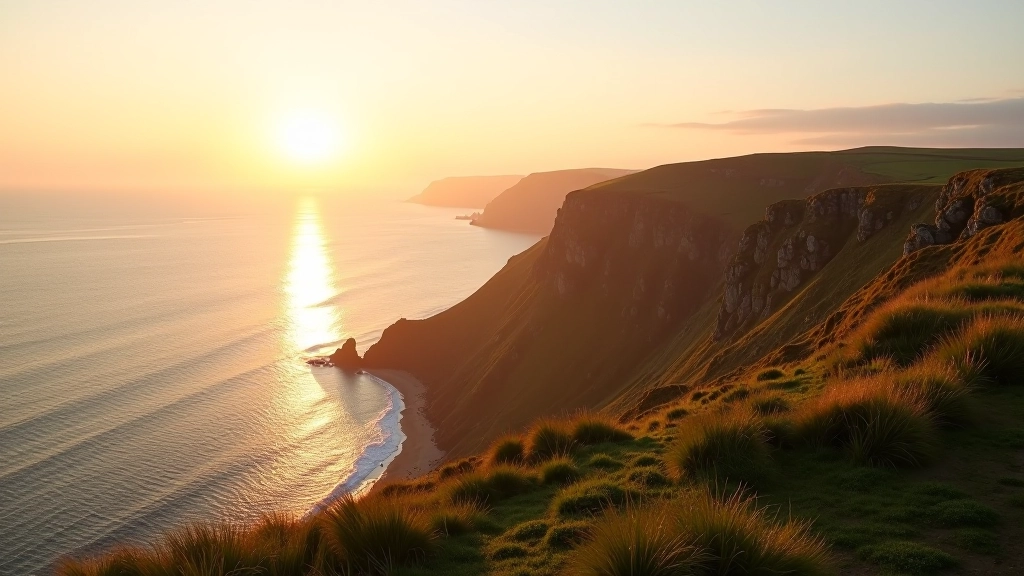
Sunset at Old Head is genuinely beautiful. The light turns everything amber and gold. The ocean reflects it back. The cliffs glow. You understand why people travel to see this place.
But here's honest talk — golden hour (roughly 1–2 hours before sunset depending on season) isn't quiet. It's popular. You'll have 20–40 people scattered around, all of them trying to capture the same light. Phones out. Conversations happening. It's peaceful in the way that beauty is peaceful — but not in the way that solitude is peaceful.
If you're visiting specifically for the experience of stillness and quiet, golden hour isn't your time. But if you want visual beauty combined with a sense of something bigger than yourself, it's worth the trade-off. The light's genuinely special. The view's genuinely worth it. You just won't be alone.
After sunset (7 PM–8 PM depending on season), the crowds disappear entirely. You've got darkness approaching, the ocean sounds get louder, and the temperature drops quickly. It's beautiful in a different way. But you'll need a torch, and it's worth being cautious about footing on the paths.

What Actually Matters
The honest answer? There's no single best time. It depends entirely on what "peaceful" means to you. Early morning gives you isolation and soft light, but you've got to sacrifice sleep. Late afternoon offers solitude without loneliness. Golden hour is visually stunning but socially crowded. Midday is practical but busy.
What we've learned is this: the headland's peaceful at almost any time if you go in with realistic expectations. Visit early morning knowing you'll be alone but cold. Visit late afternoon knowing you'll still see people but far fewer. Visit golden hour knowing it's gorgeous and you won't be quiet.
The point isn't finding the perfect moment. It's understanding what each moment offers, then choosing the one that matches what you actually need.
About This Article
This article is informational guidance based on observation and visitor experience at Old Head of Kinsale. Weather conditions, tide times, and visitor patterns vary seasonally and can change without notice. Always check current weather forecasts before visiting. The coastal paths can be uneven — wear appropriate footwear and take care, especially near cliff edges. Visit times and crowd levels are estimates based on typical patterns and may vary significantly. This information is not a substitute for personal judgment or local knowledge.
Explore Related Articles