Planning Your Clifftop Rest Experience
What to bring, how long to stay, where to sit, and what to watch for. Everything you need to actually relax instead of worrying about logistics.
You've picked your spot on the headland. The view's incredible. But then you realize—what am I actually supposed to do here? How long should I stay? Should I bring a blanket? It's these small practical questions that separate a genuinely relaxing afternoon from one where you're checking your watch every five minutes.
The good news is that planning a clifftop rest experience isn't complicated. It's really just about knowing what to expect, what to pack, and how to position yourself for maximum comfort without overthinking it. We've spent time at Old Head of Kinsale in different seasons and conditions, and we've learned what actually works versus what sounds nice in theory.
What to Actually Pack
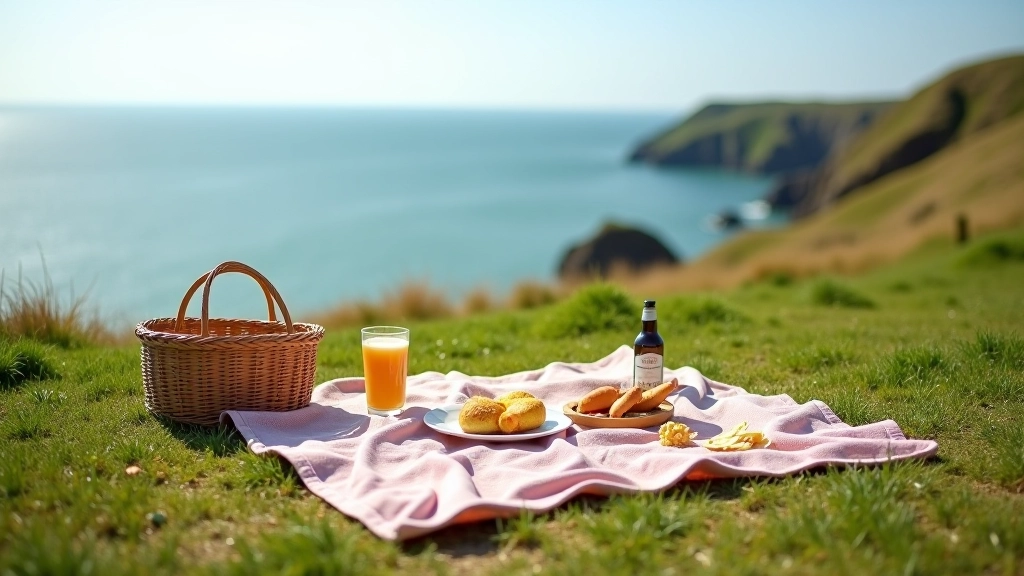
Most people overpack for a clifftop session. You don't need much, but you do need the right things. A lightweight picnic blanket makes a massive difference—something you can fold up into your bag without thinking about it. Cotton works better than synthetic because it breathes and won't get clammy.
Water's essential. A 500ml bottle is plenty if you're only staying 2-3 hours. Bring it cold in the morning; it'll warm up gradually and you won't notice. A small snack—nothing that gets messy. Crackers, fruit, a chocolate bar. The wind at the cliff edge will scatter crumbs everywhere, so avoid anything that crumbles easily.
Sun protection matters even on cloudy days. The reflection off the water intensifies UV exposure. A lightweight scarf or hat gives you options—you can adjust your coverage without overheating. And honestly? A small notebook. Sitting quietly at a clifftop naturally makes you reflective, and having somewhere to jot thoughts down deepens the experience rather than breaking it.


How Long Should You Actually Stay
Two hours is the sweet spot. Seriously. You'll arrive, settle in, maybe feel a bit restless for the first 15 minutes while your mind shifts gears. Then somewhere around the 30-minute mark, you'll actually relax. You've got a solid 90 minutes of genuine peace before you start thinking about other things.
Longer than three hours? You'll notice the cold creeping in, even in summer. The wind patterns shift slightly in late afternoon too. Shorter than 90 minutes feels rushed—you're barely settled before you're packing up. Aim for the 2-2.5 hour window. It's long enough to disconnect, short enough that you're not fighting discomfort.
The time of day matters more than you'd think. Morning sessions (10am-12pm) are clearer light-wise but busier with other visitors. Late afternoon (3pm-5pm) is quieter. Early evening, especially June-August, gives you that extended golden hour where everything's softer and warmer. Pick what feels right for your headspace that day.
Where to Sit—The Practical Details
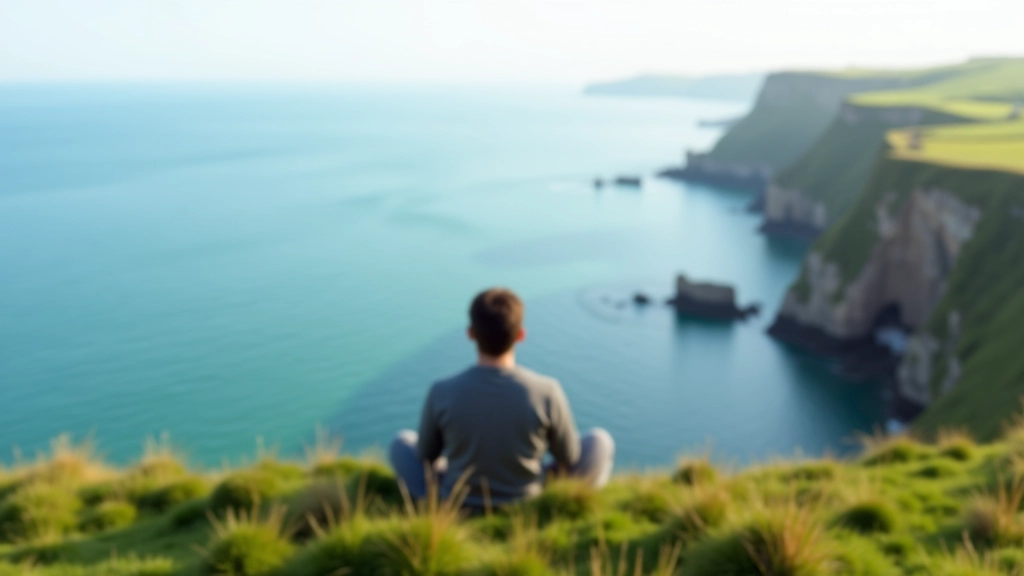
The spot you choose shapes your entire experience. You want to be close enough to the edge for proper views, but not so close that wind gusts make you nervous. The grass around Old Head slopes gently toward the cliff edge, so positioning yourself about 10-15 meters back gives you an unobstructed view without feeling exposed.
Sheltered Spots
Look for slight rises or depressions in the ground that block wind. These exist throughout the headland. You're not looking for a cave—just a gentle natural windbreak. Wind speed can drop 30-40% in these microclimates, and that makes a real difference for comfort.
Ground Conditions
Avoid the boggy areas after rain. They'll be obvious—darker, softer ground. Stick to the firmer grass patches. You'll notice they're slightly higher and drain better. The firmer areas also hold warmth longer in afternoon sessions, which matters more than you'd expect.
Sight Lines
Position yourself so you're looking out rather than down. This changes the psychological experience completely. You're watching the horizon and the water's movement, not staring at the drop. It feels safer and less dizzying, even for people who don't love heights.
What to Actually Pay Attention To
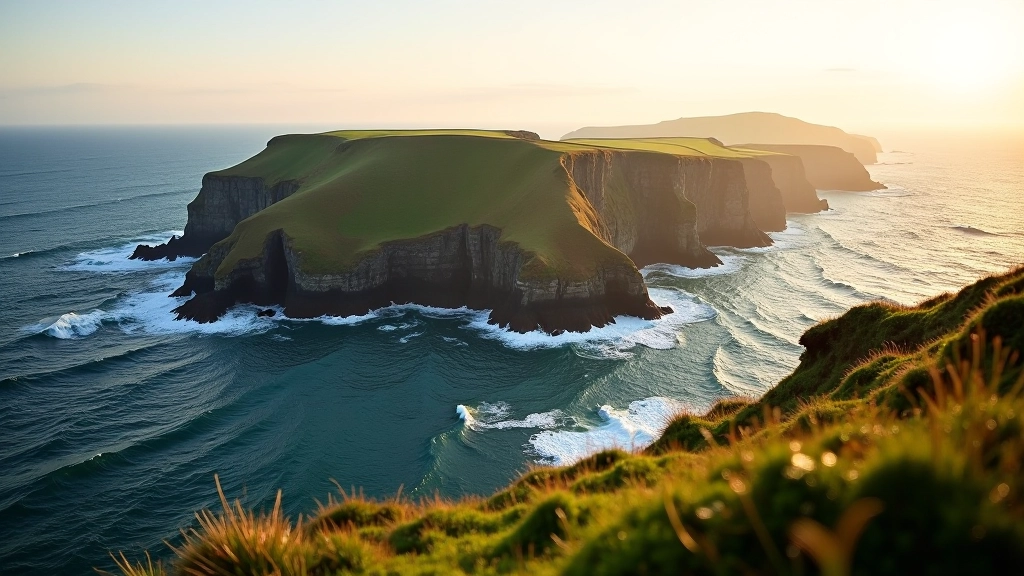
Sitting at a clifftop naturally draws your attention outward. You're not passively looking—you're noticing patterns you'd normally miss. The water changes color constantly. Watch how light hits different parts of the ocean surface. In 30 minutes, you'll see blues shift from deep to nearly gray to almost turquoise. It's not the same view twice.
Bird activity is subtle but mesmerizing. Gulls and cormorants work the updrafts along the cliff face. You'll see them ride thermals, disappear into the haze, reappear unexpectedly. It's movement without sound, which feels oddly calming. In spring and early summer, you might spot gannets diving—that's a proper event worth sitting through.
The weather changes fast at clifftop. A clear sky can cloud over in 20 minutes. Rather than frustrating, this is actually part of the appeal. You're watching a system move through in real time. Bring a waterproof layer just in case, but don't let the threat of rain stop you. Some of the best clifftop moments happen just before a storm rolls in.


The Details That Actually Matter
Temperature drops about 1-2 degrees Celsius for every 100 meters of elevation. Old Head sits roughly 100 meters above sea level, so it'll be noticeably cooler than the town below. Don't underestimate this. A light layer you can remove or add makes the difference between comfort and spending the whole time adjusting.
Phone signal's decent on the headland, but you don't need it. That's partly the point. Leave it on silent. Notifications will pull your attention back to the rest of your life, which defeats the purpose. If you need it for emergencies, keep it in your bag unless necessary.
Parking's at the visitor center about 10-15 minutes' walk away. Budget time for that. It's not a trek—the path is clear and fairly flat—but it's something people forget to account for. You're not sitting down immediately; there's a transition period where you're still in movement mode.
Tides don't matter much for sitting on the cliff, but they do affect the water's appearance. High tide creates more dramatic wave action. Low tide shows more rock formations. Neither's better—they're just different moods. Check tide times if you're planning a specific visit, but don't stress too much about it.
You're Actually Ready
The real secret to a good clifftop rest experience isn't some special technique or perfect conditions. It's just showing up prepared and giving yourself permission to sit still for a couple hours. You've got the packing list. You know the timing works best. You've got positioning sorted. You know what to actually pay attention to.
The hardest part is the first 15 minutes, when your mind's still running through your to-do list and you're wondering if you should be doing something more productive. Sit through that. By the 30-minute mark, you'll forget why you were restless. By two hours, you'll understand why people come back to clifftops again and again. It's not about finding anything profound—it's about letting your nervous system finally settle. Everything else follows from that.

Disclaimer
This article is provided for educational and informational purposes only. Visiting clifftop locations involves inherent natural hazards including steep drops, unpredictable weather, and coastal conditions. Always exercise personal judgment and responsibility. Check weather forecasts before visiting. Stay a safe distance from cliff edges. Supervise children and pets at all times. Follow any posted safety signage and local guidelines. This content is not a substitute for professional safety advice or local authority recommendations. The author and publisher assume no liability for injuries or incidents resulting from activities described in this article.
Related Articles